Identify subsurface constraints, design foundations, and manage geotechnical risks — from feasibility through to construction.
The success of a project depends on a detailed understanding of subsurface conditions. Our engineers support your decisions from the feasibility stage through construction monitoring, in accordance with the geotechnical mission framework.
Each service addresses a specific objective within the project life cycle, in accordance with the geotechnical mission framework.


This service identifies the site’s geotechnical constraints and guides the initial design choices to ensure the project’s feasibility and safety. It includes two phases:
Collect the geological, geotechnical, and hydrogeological information required to understand the site.
Define the initial construction guidelines compatible with the site’s constraints, particularly those related to clay shrink-swell phenomena.


This service defines, justifies, and sizes the geotechnical solutions best suited to the site constraints and project objectives. It includes three phases:
Develop the site’s geotechnical model and compare the possible solutions.
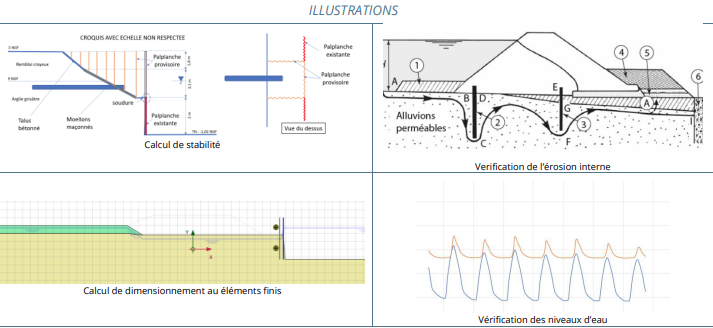
Precisely design the structures and validate the selected technical solutions.
Prepare the geotechnical specifications and assist the project owner in reviewing and evaluating contractor bids.


This service adapts the studies to the actual conditions encountered on site and supports contractors throughout the construction works.
Adapt the design assumptions to the actual execution constraints.
Verify consistency between the adopted assumptions and the conditions observed on site.


This service provides independent supervision of studies and construction works to ensure compliance with the design objectives.
Review the studies produced as part of the G3 service.
Verify that site observations are properly taken into account and that geotechnical risks are effectively managed.
The G5 service analyzes a specific geotechnical issue or identifies the causes of defects affecting an existing structure, particularly those related to drought, ground movement, or dike assessments.
A well-adapted study reduces risks, secures construction decisions, and limits additional costs caused by unforeseen ground conditions.
Anticipate settlement, instability, groundwater conditions, and the behavior of sensitive soils.
Properly size foundations, retaining structures, and suitable ground improvement solutions.
From preliminary studies through execution, maintain a consistent understanding of the geotechnical model.
Analysis of the project, existing conditions, and geotechnical challenges.
Investigation program tailored to the site and structures.
Development and interpretation of the geotechnical model.
Justified technical solutions and specifications.
Adaptation to actual site conditions and supervision when required.
Clear technical documents designed to support decision-making and implementation.
Context, investigations, model, and conclusions.
Sections, parameters, and test results.
Construction guidelines and tender requirements.
Practical solutions and key points requiring attention.
It depends on the project phase (feasibility, design, or execution) and the site-specific challenges. A G1 study guides the initial choices; G2 designs and sizes the structures; G3/G4 support the execution phase; and G5 addresses a specific geotechnical diagnostic.
Yes. Our geotechnical services are carried out in accordance with the French geotechnical mission framework (G1 to G5), with deliverables tailored to each project phase.
Yes, through a G5 geotechnical diagnostic service, to analyze the causes—such as drought, ground movement, dike-related defects, etc.—and propose appropriate remedial solutions.
Depending on the investigation program, soil identification and soil mechanics tests may be carried out through our laboratory to support the geotechnical model.
Describe your project: we will recommend the most suitable service and provide a detailed quotation.
The success of a construction or development project depends on a thorough understanding of the ground conditions and the constraints likely to affect the behavior of the structures. With recognized expertise in geology, geotechnical engineering, and hydrogeology, our engineers support project owners, designers, and contractors in identifying risks and defining technical solutions tailored to the specific requirements of each project.
From the feasibility stage through to construction, we apply our expertise to deliver durable, safe, and economically optimized projects. Our approach is based on a rigorous analysis of site conditions to guide construction choices, manage geotechnical risks, and ensure the long-term performance of structures throughout their entire life cycle.

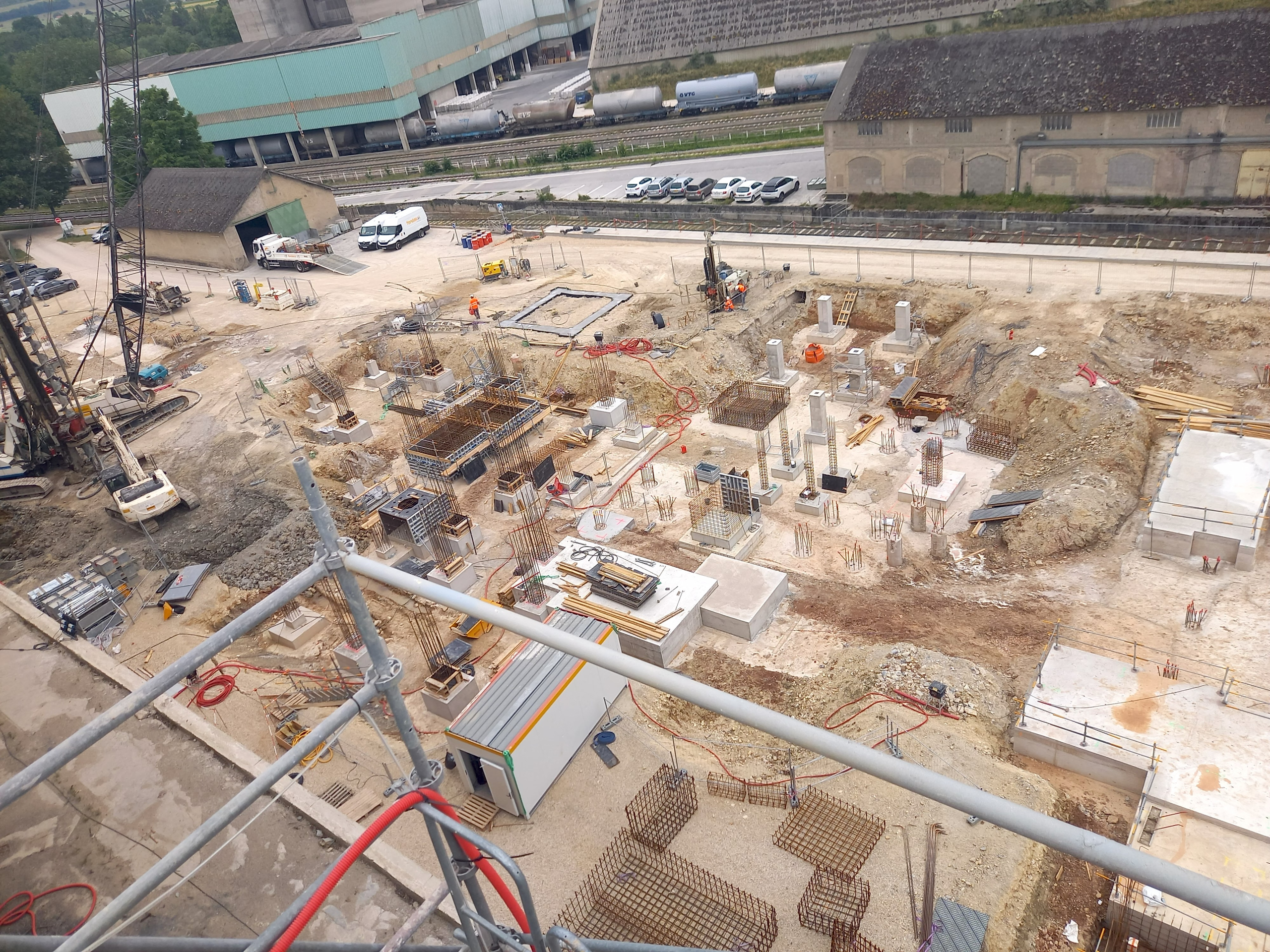
Shallow and Deep Foundations
Industrial, Commercial, and Logistics Facilities

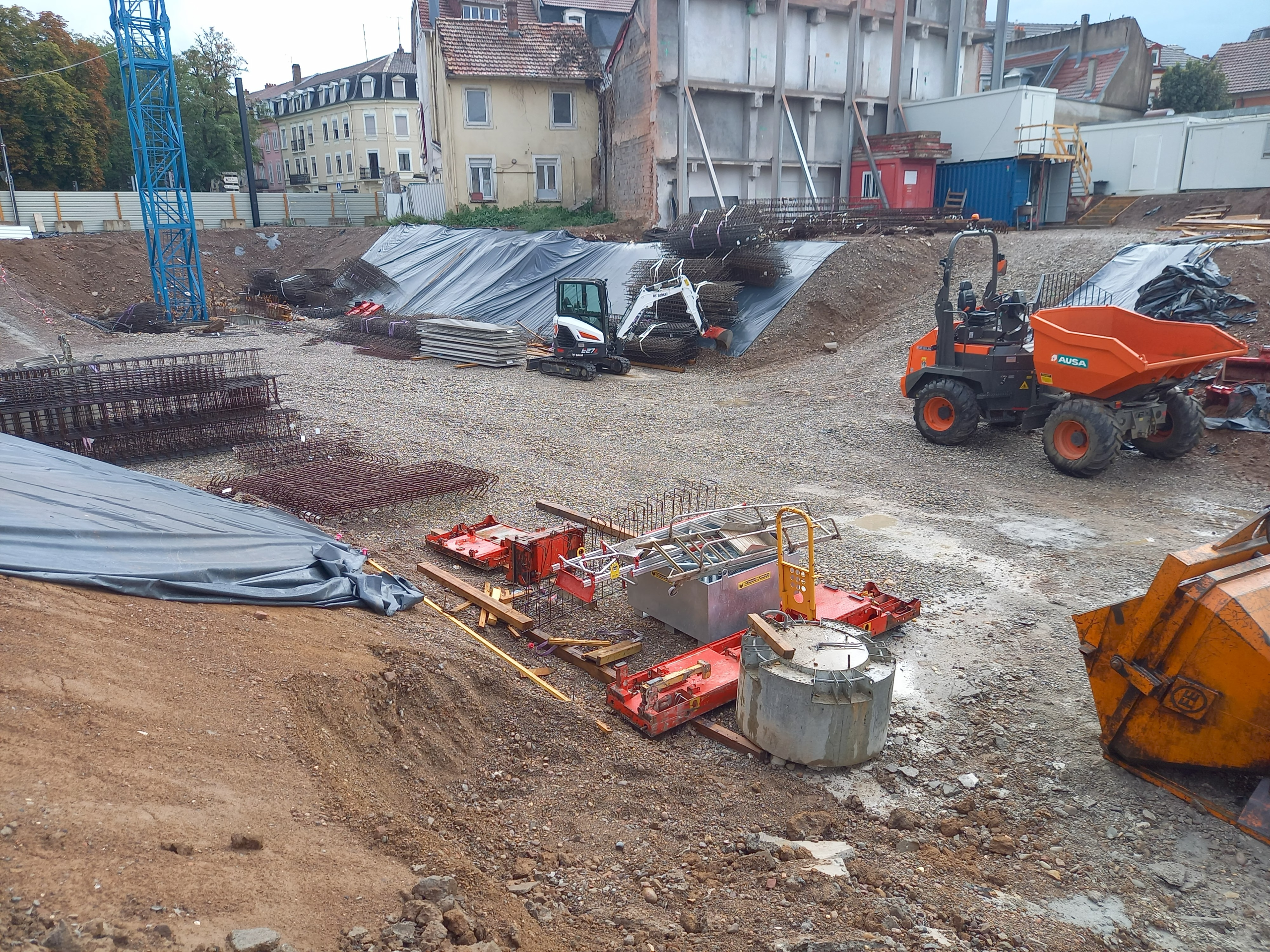
Excavation, Fill, and Platforms
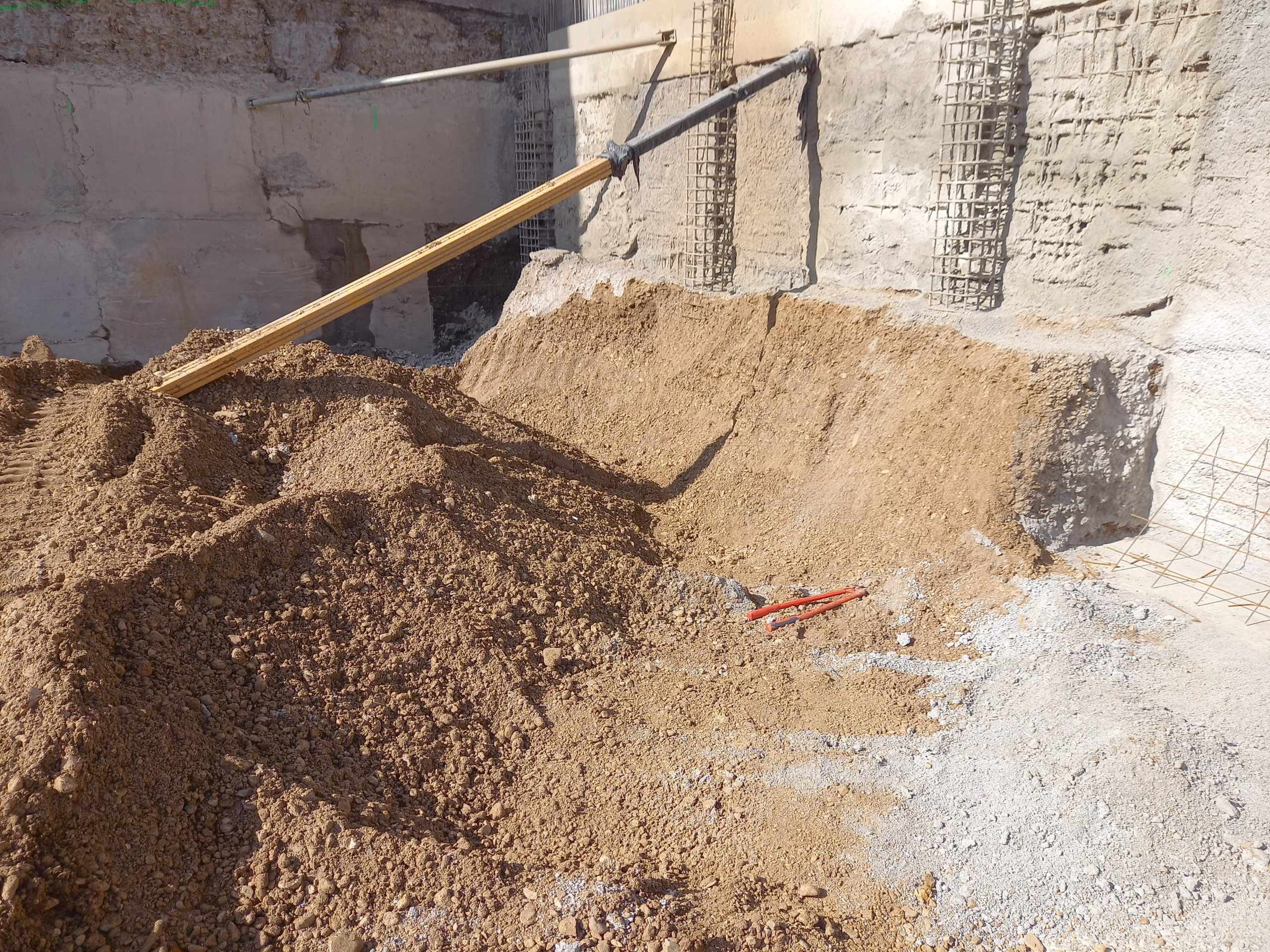
Walls, Retaining Walls, and Soil-Nailed Walls

Roadways, Platforms, and Utilities
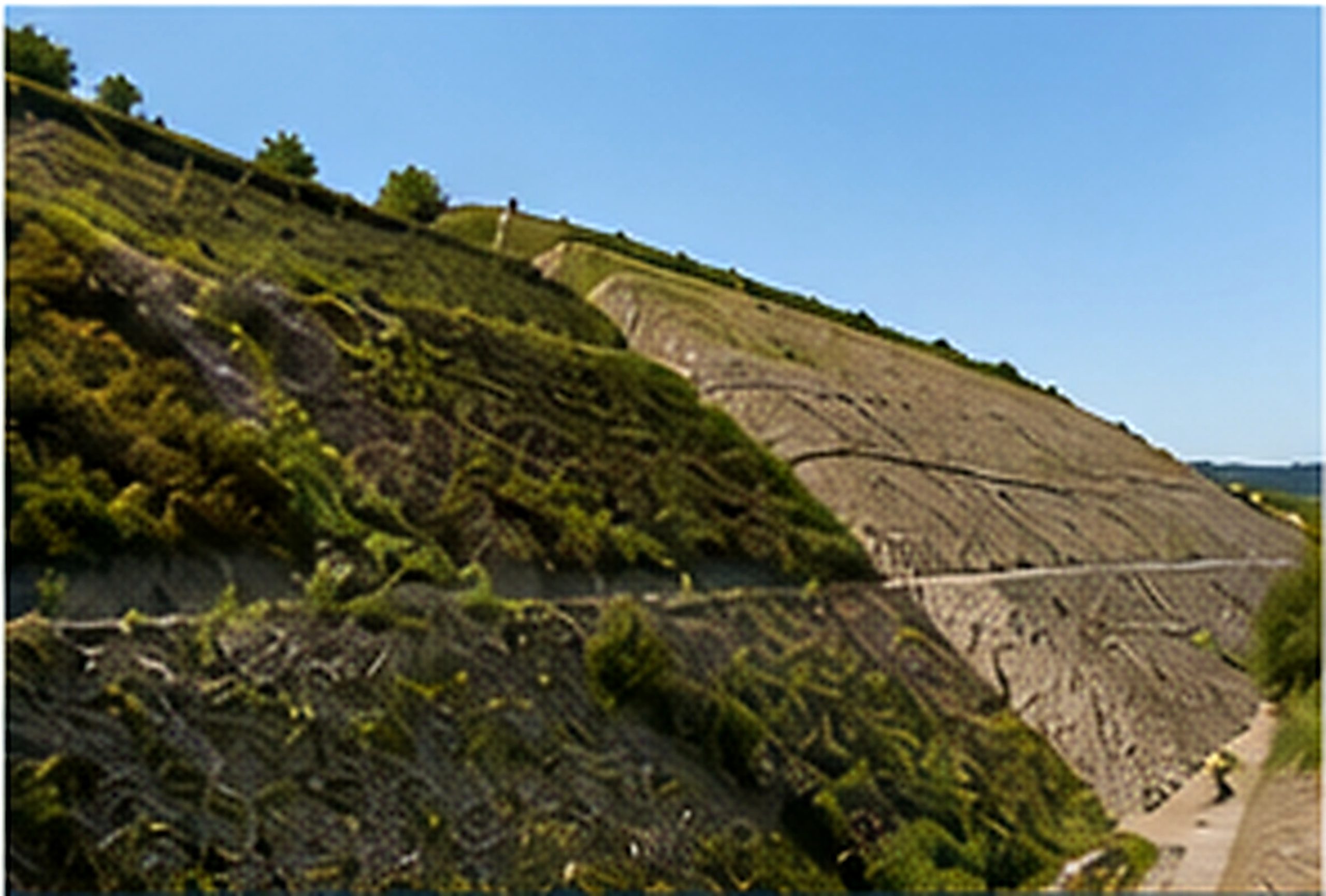
Studies and Reinforcement Works
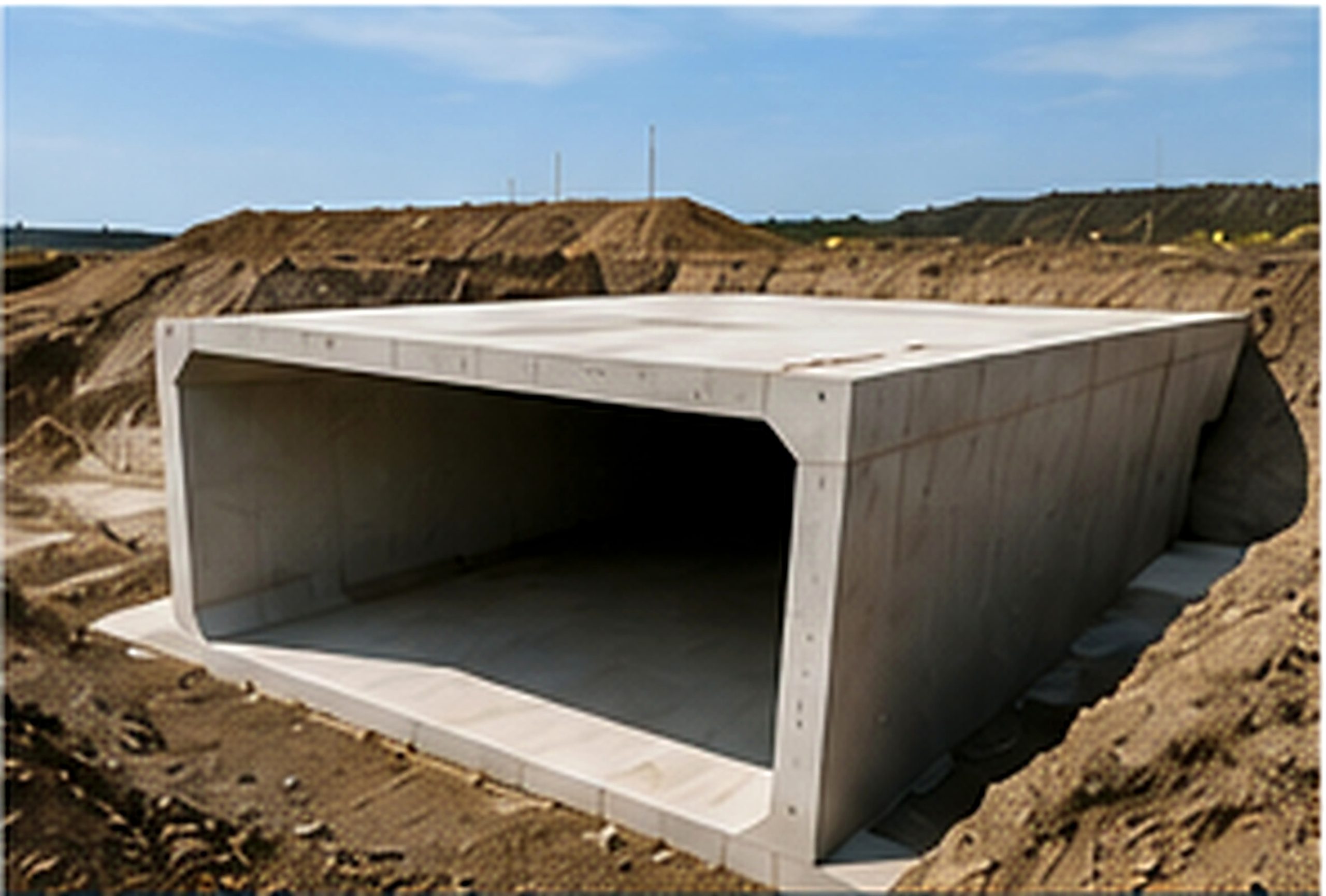
BURIED AND UNDERGROUND STRUCTURES
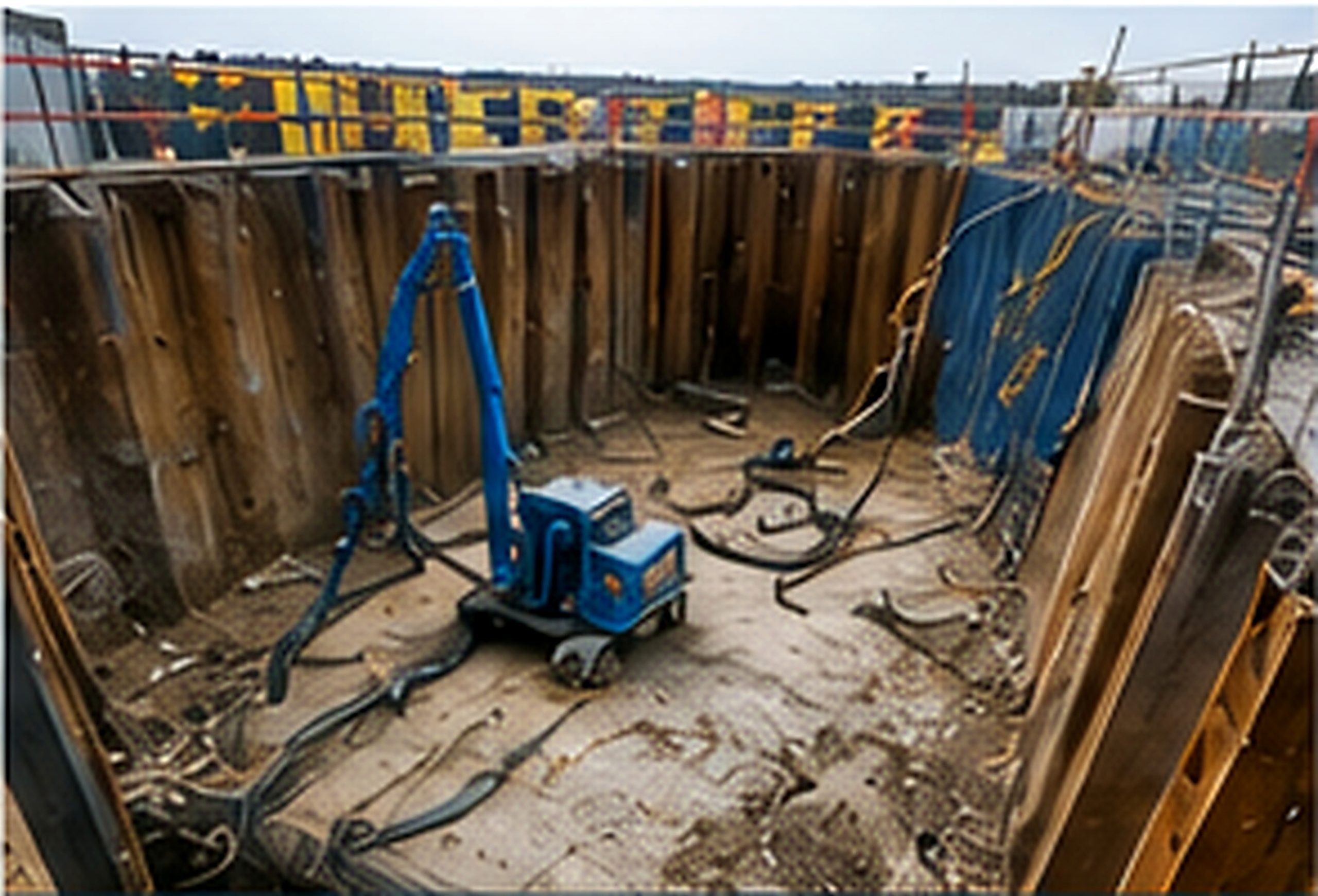
Dewatering, Drainage, and Pumping

Bridges, Viaducts, Footbridges, and Transition Walls
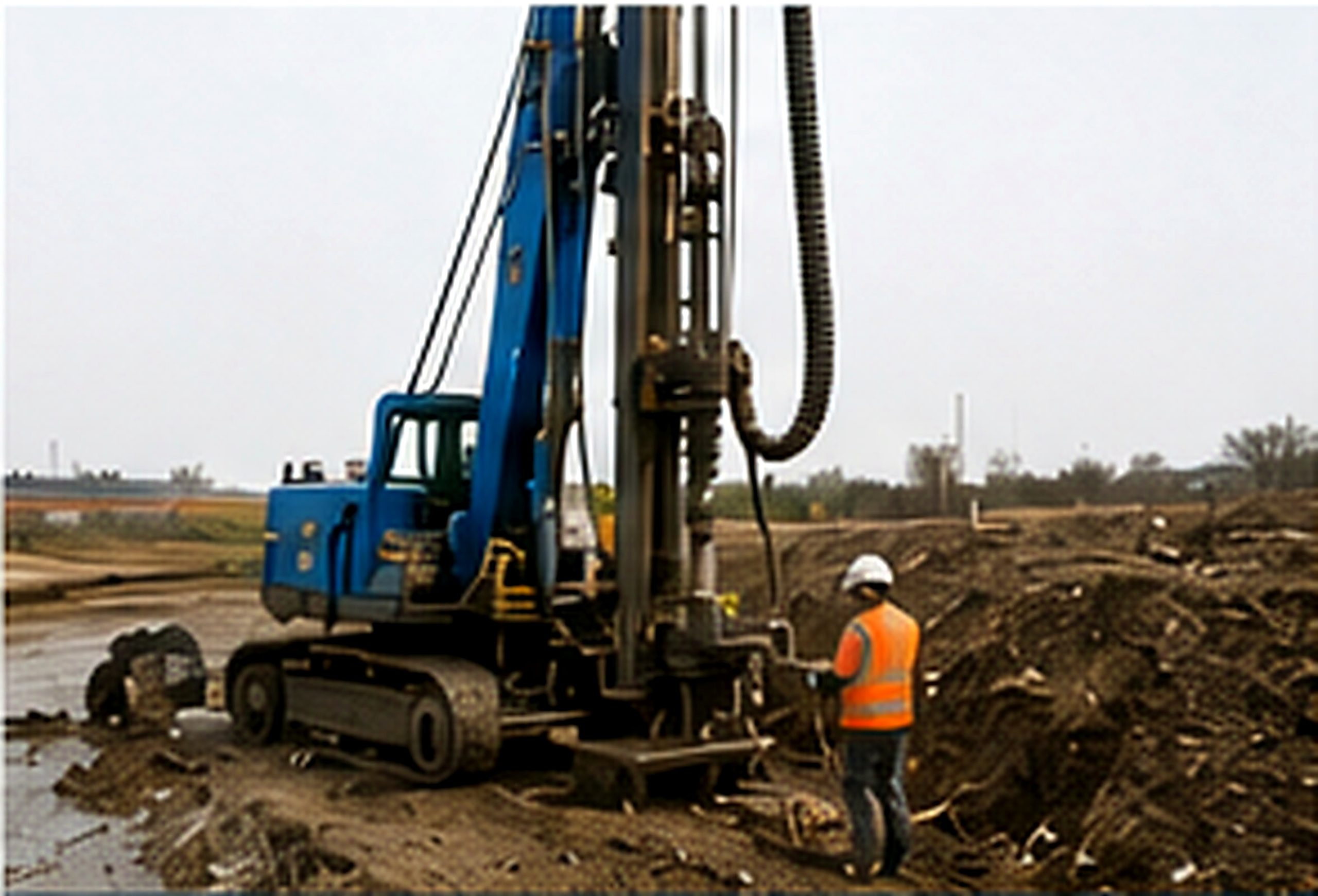
Stone Columns and Rigid Inclusions

Dams, Dikes, Canals, Basins, and Protective Structures
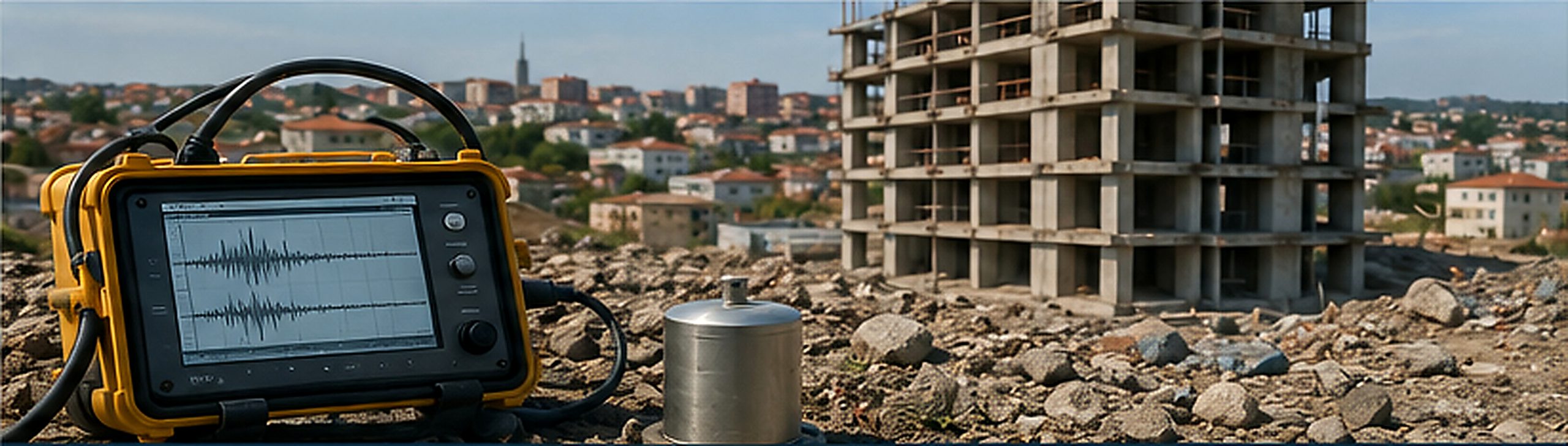
Seismic Response Analysis, Microzonation, and Seismic Hazard Assessment
projects
risks
solutions
our clients
Sustainably