
Control, measure, and ensure the performance of structures at every stage of the project. Thanks to recognized expertise and high-precision equipment, INGELCIS supports project owners, engineering firms, and contractors with complete solutions for testing, investigations, and instrumentation to ensure the quality, safety, and durability of constructions.
The validation of foundations is an essential step to ensure the safety and durability of structures. INGELCIS performs load tests on micropiles, piles, anchors, and special foundations to verify their bearing capacity and behavior under actual loading conditions.
Conducted directly on site using high-precision equipment, these tests ensure that structures comply with project requirements and applicable standards, while providing project owners and contractors with additional assurance regarding execution quality.
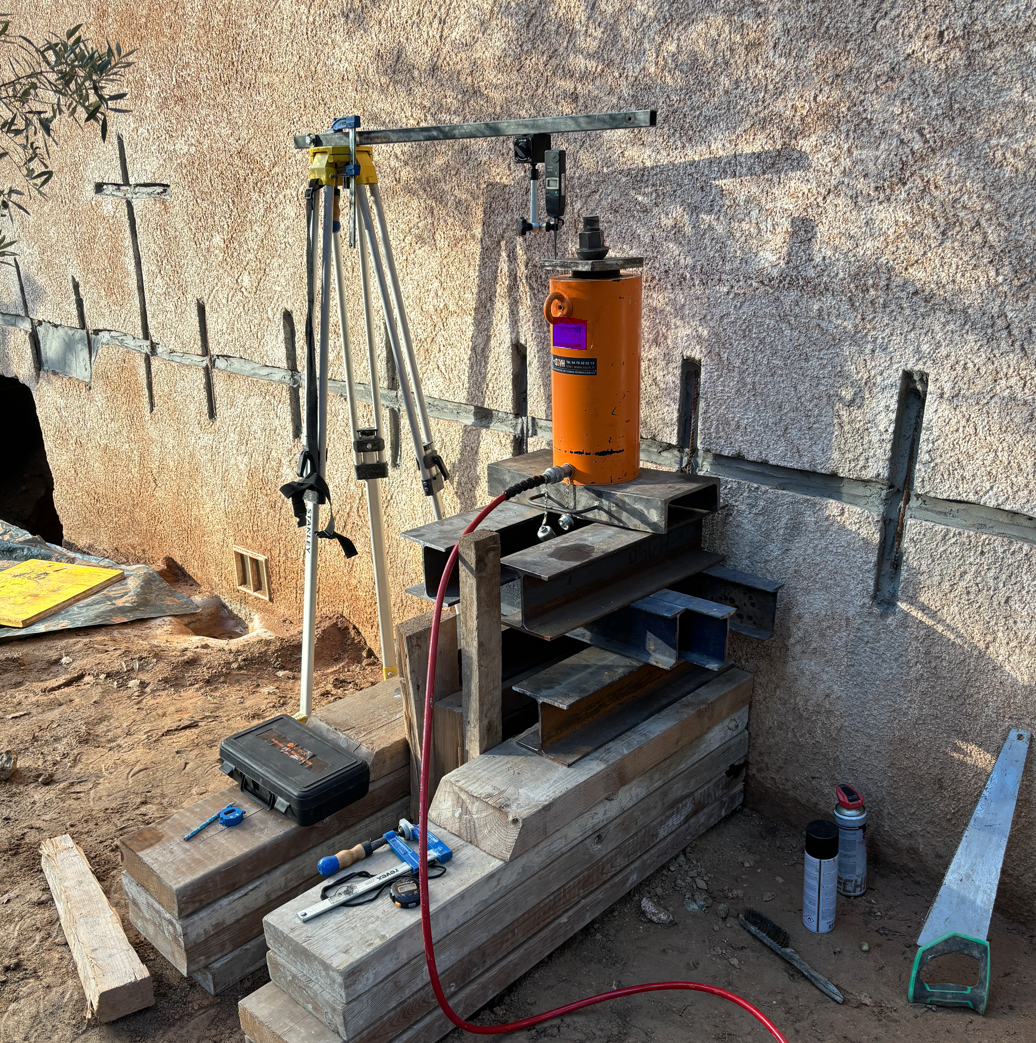
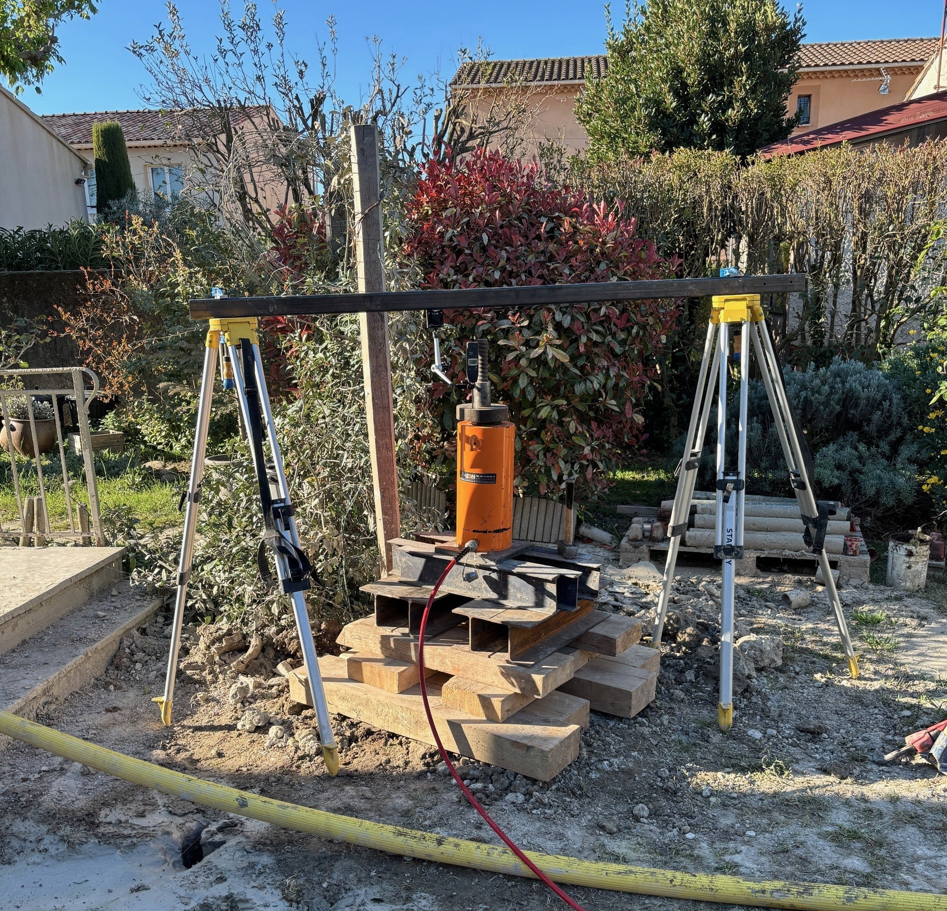
✔ Testing of micropiles, piles, and anchors
✔ Verification of bearing capacities
✔ Accurate measurement of displacements
✔ Compliance control of structures
✔ Detailed test reports
✔ Interventions on all types of construction sites
✔ Essais sur micropieux, pieux et ancrages
✔ Vérification des capacités portantes
✔ Mesure précise des déplacements
✔ Contrôle de conformité des ouvrages
✔ Rapports d’essais détaillés
✔ Interventions sur tout type de chantier
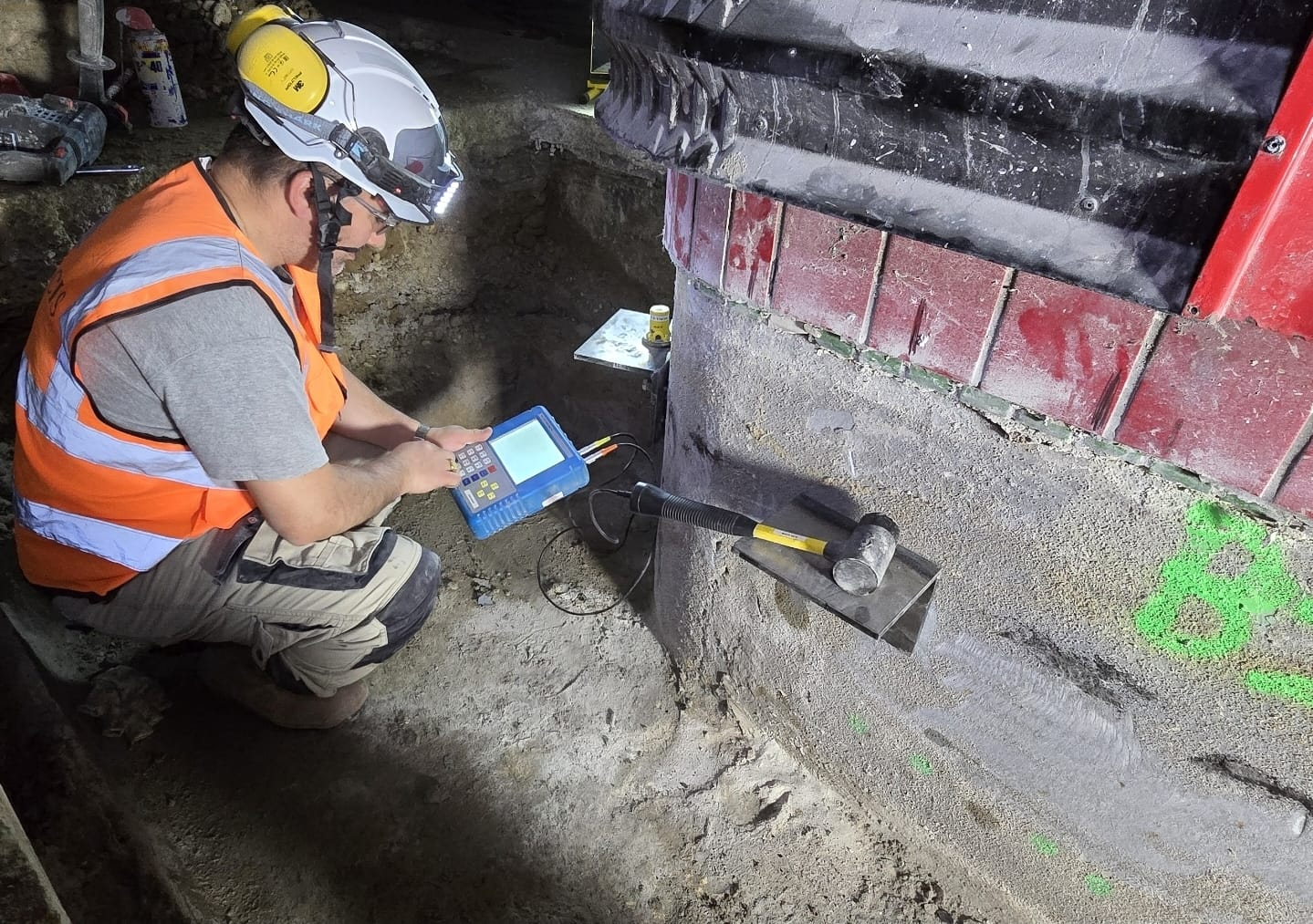
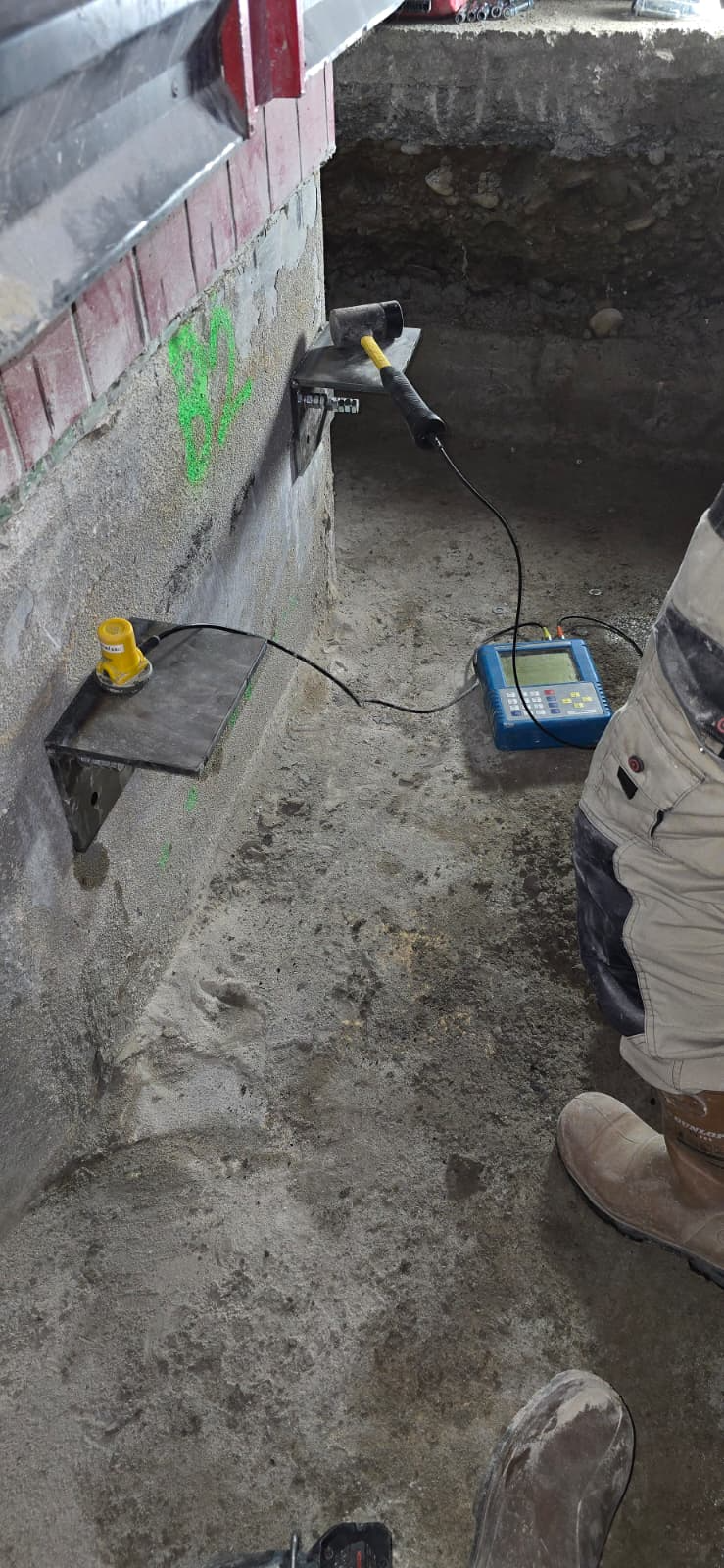
Non-destructive tests are used to assess the integrity and quality of deep foundations without damaging the structures. INGELCIS applies advanced testing methods such as Pile Integrity Testing (PIT), Crosshole Sonic Logging (CSL), Parallel Seismic Testing, and other investigation techniques adapted to the requirements of each project.
Performed directly on site, these tests help detect potential defects, verify the continuity of foundation elements, and confirm their compliance with project requirements and applicable standards.
INGELCIS carries out specialized investigations and tests on reinforced concrete structures to assess their condition, mechanical properties, and ability to withstand the expected loads.
Our services include sampling, in-situ and laboratory testing, as well as inspection procedures to characterize materials and diagnose the condition of structures. These investigations provide project owners and engineering firms with essential data for rehabilitation, strengthening, change-of-use, or technical assessment projects.
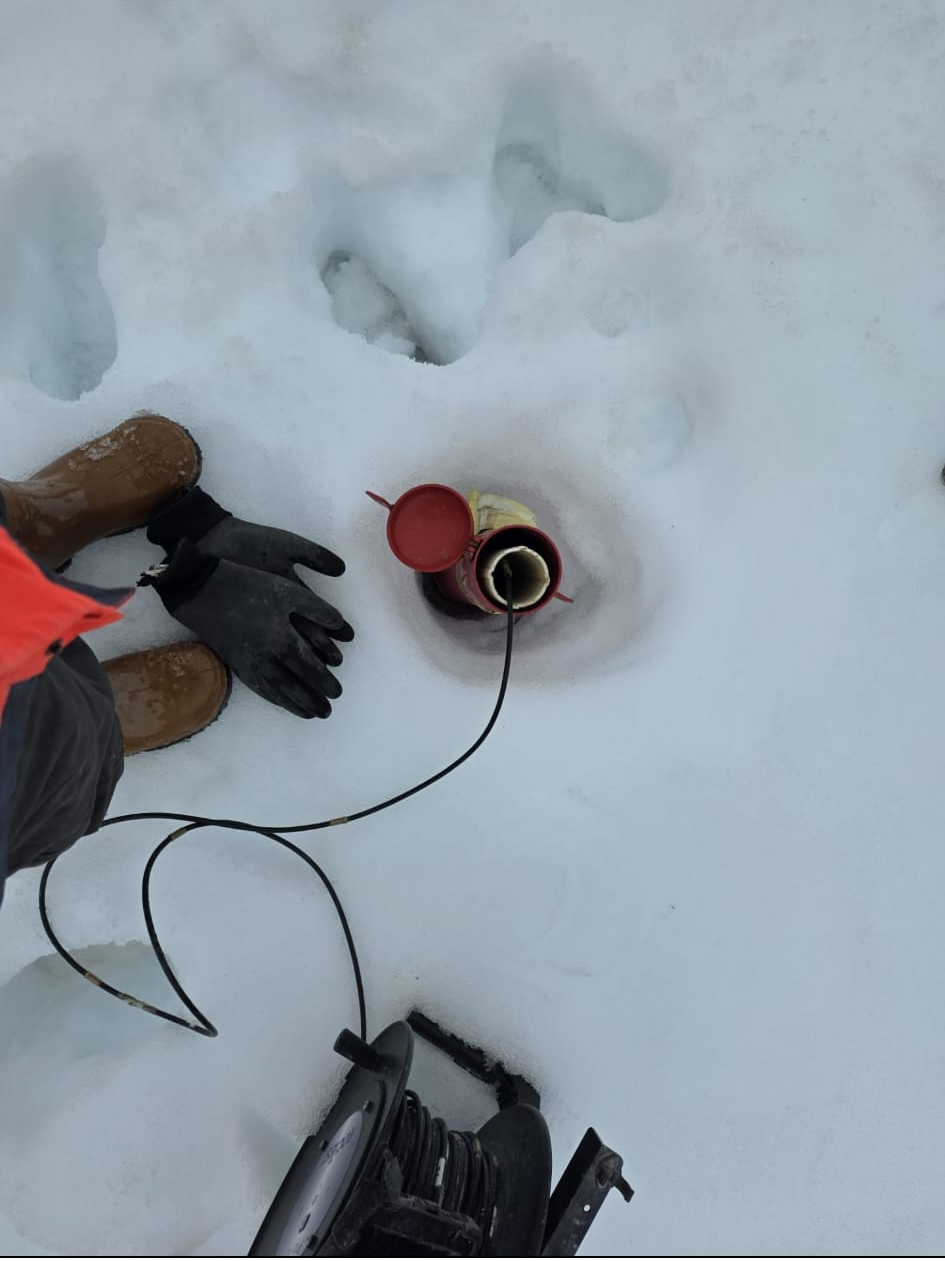
Geotechnical instrumentation allows the monitoring of soil, structure, and foundation behavior throughout the construction and operation phases. INGELCIS designs, installs, and monitors measurement systems used to control displacements, deformations, pore water pressures, groundwater levels, and stress variations.
These data provide an essential tool for securing works, anticipating geotechnical risks, and ensuring the long-term performance of structures through reliable, accurate, and continuous monitoring.
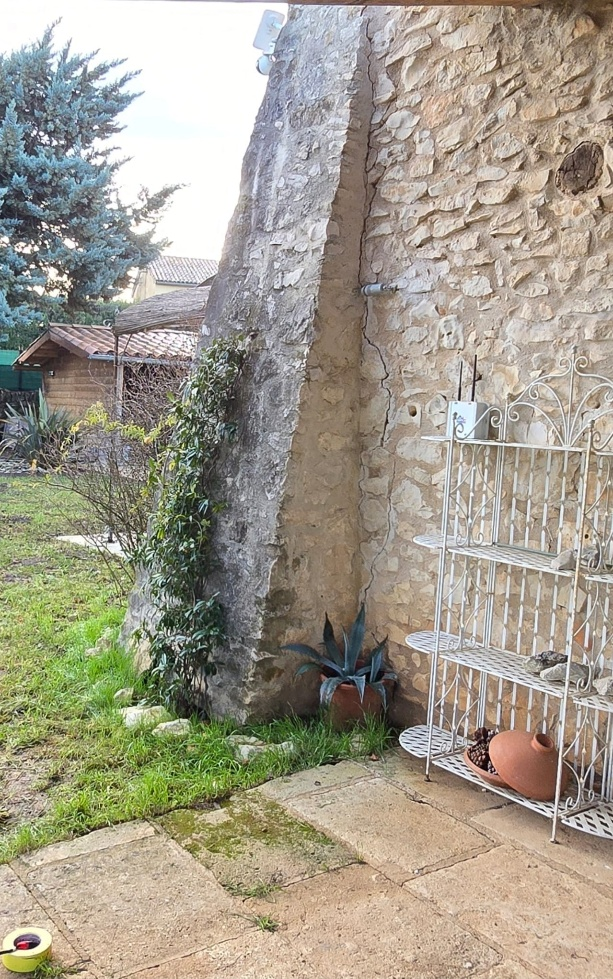
INGELCIS provides instrumented structural monitoring solutions to track the behavior of structures over time and detect any changes that may affect their stability.
Our monitoring solutions measure cracks, displacements, inclinations, vibrations, and structural deformations, providing project owners with reliable data to secure construction works, support operations, and anticipate potential risks.
INGELCIS’s concrete laboratory supports construction professionals in the quality control of materials, from fresh concrete to hardened concrete. Our teams perform a complete range of standardized tests to verify the mechanical performance, compliance, and durability of concrete, mortars, grouts, and cement-based materials.
Thanks to high-precision equipment and recognized expertise, we provide reliable results for production control, project acceptance, and technical assessment missions.
Our Services
The plate load test provides EV1/EV2 deformation modulus values according to a reference testing procedure, while the Light Dynamic Plate (PDL) provides a rapid assessment method, suitable for frequent quality control during construction works.
Yes — including embankments, subgrade layers, industrial platforms, roads, and foundation support layers, according to project requirements.
Absolutely. Laboratory tests such as soil identification and Proctor testing, combined with in-situ controls, provide a complete validation of earthwork quality.
Describe your project — we will propose the appropriate mission and provide you with a detailed quotation.